Machine Customers: The future of the digital economy
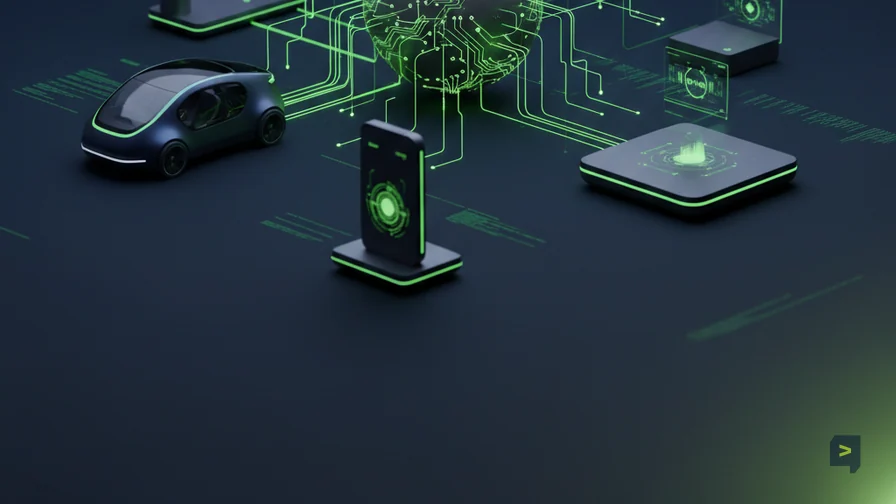
In the fast-paced world of technology, an emerging concept that is gaining more and more attention is that of “machine customers”. These autonomous devices are capable of making purchases and negotiating services without human intervention, and it is estimated that by 2028 there will be billions of them in circulation. This article will explore what machine customers are, how they are shaping a new digital economy, and the challenges and opportunities they represent for businesses.
What are Machine Customers?
Machine customers are smart devices that use algorithms and artificial intelligence (AI) technologies to make purchasing decisions. They can range from autonomous vehicles that purchase fuel to appliances that automatically buy supplies. These devices are part of the growing trend towards automation and digitization, where more and more aspects of our daily lives are being managed by machines.
The growth of the Machine Customer economy
With the projection that there will be billions of machine customers on the market by 2028, we are facing a radical transformation in the way transactions are carried out. This will not only affect companies that must adapt to this new environment, but it will also represent an opportunity to innovate in how products and services are offered.
The impact of this trend can be seen in various sectors:
-
Transportation and Logistics: Autonomous vehicles not only improve delivery efficiency, but can also negotiate transportation rates and related services without human intervention.
-
Energy: Homes equipped with smart devices can buy energy in real time, optimizing their consumption and cost.
-
Health: Medical devices that place automatic orders for supplies or services based on the patient’s needs represent an evolution in healthcare.
Challenges for Companies
As machine customers become integrated into the economy, companies will face several challenges:
-
Interoperability: Devices from different manufacturers must be able to communicate with each other to facilitate transactions. The creation of standards will be crucial.
-
Security and Privacy: With the increase in automation, data protection and transaction security become a priority. Companies will need to implement robust systems to prevent fraud and protect user information.
-
Customer Relations: Human interaction remains a vital aspect in many industries. Companies will have to find a balance between automated service and the human touch.
-
Regulations: With the growth of the digital economy, it is expected that governments will establish specific regulations for the operation of machine customers, which may require rapid adaptations by companies.
Opportunities for Innovation
Despite the challenges, the emergence of machine customers also opens the door to multiple opportunities:
-
New Business Models: Companies can create business models that focus on selling to machines, optimizing their products and services to meet the needs of these devices.
-
Improved Efficiency: By automating purchasing and negotiation processes, companies can reduce operating costs and improve overall efficiency.
-
Large-Scale Personalization: Using data from machine customers, companies can offer personalized products and services on a large scale, based on behavior patterns and preferences.
-
Ecosystem Development: Companies can collaborate to create ecosystems that facilitate interaction between different machine customers and the services they consume.
Preparing for the Future
To capitalize on the arrival of machine customers, companies must start preparing now. Some strategies include:
- Investment in Technology: Companies must invest in infrastructure that allows for interoperability and communication between devices.
- Development of Security Strategies: Implement security protocols that protect both devices and transactions.
- Staff Training: Prepare teams to understand and work with emerging technologies and machine customers.
The arrival of machine customers is establishing a new paradigm in the digital economy. As this trend continues to evolve, companies that are willing to adapt and innovate will have the opportunity to thrive in an increasingly automated environment. With the right preparation, the future of the digital economy can offer vast potential for both businesses and consumers.